
Exploring Harare: Art Markets and Morning Mist
Wake up to Harare’s soft morning haze, then dive into its colorful art markets, where creativity and culture come alive.
DESTINATIONS
Jetsclusive
10/27/20258 min read
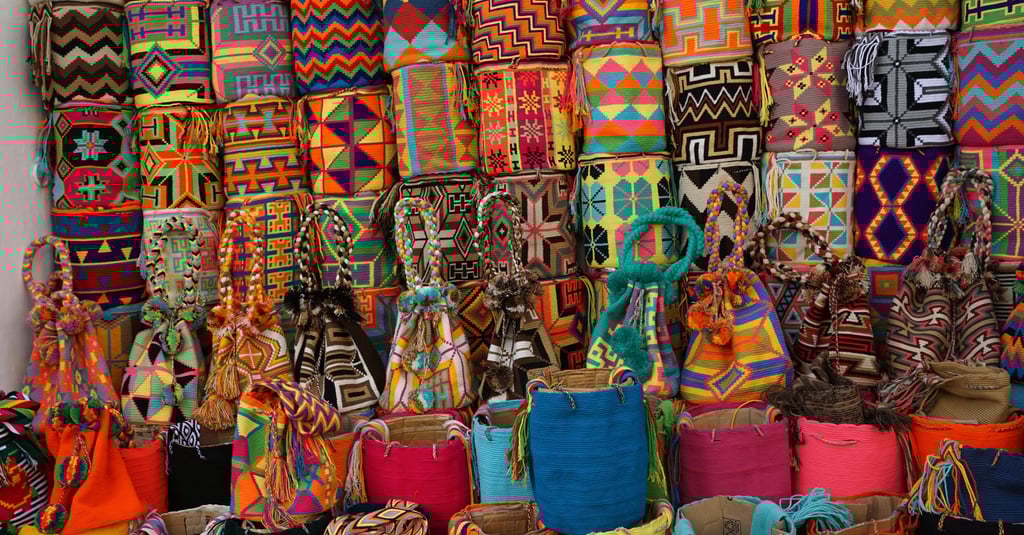

A Gentle Awakening: The Morning Mist of Harare
The early morning hours in Harare present a captivating tableau, enveloped in a gentle veil of mist that transforms the city into a serene landscape. As the sun begins to rise, this ethereal fog intermingles with the emerging light, creating a picturesque atmosphere that beckons both locals and visitors alike. The mist uniquely highlights the beauty of Harare’s iconic landmarks, such as the majestickopje at dawn, softening the outlines of the structures and casting a magical glow over the city.
This tranquility of the morning mist elicits a sense of calm and reflects the slower pace of life in the city. Residents often engage in their morning routines amidst this peaceful setting. The scent of freshly brewed coffee wafts through the air as local cafes prepare to greet the day, and street vendors begin to set up their stalls, ready to engage customers. In neighborhoods like Avondale and Greendale, the sight of locals leisurely strolling to the market or greeting each other creates a harmonious rhythm that embodies community spirit.
The mist serves not only as a visual spectacle but also as a sensory experience that invites deeper engagement. The coolness of the morning air, coupled with the sound of birds chirping, enhances the feeling of rejuvenation that comes with a new day. Essential activities, such as morning jogs in the sprawling parks or yoga sessions under the misty canopy, reveal a communal appreciation for the serene ambiance. It is a time when the vibrant culture of Harare unfolds, fostered by spontaneous exchanges and the camaraderie of those who cherish the early hours together.
The Heart of Harare: Understanding the Local Art Scene
Harare is a city pulsating with creativity, where various forms of art serve as essential expressions of the local culture and community. The local art scene encompasses an array of artistic endeavors, including paintings, sculptures, ceramics, and textiles, each reflecting the multifaceted history and identity of the region. Artists in Harare harness not only their personal experiences but also collective narratives that resonate with the struggles and triumphs of the Zimbabwean people.
One notable characteristic of Harare’s art community is its strong emphasis on storytelling. Paintings often depict historical events, social issues, and everyday life, while sculptures creatively utilize local materials, demonstrating the resourcefulness of the artists. The rich textile tradition, marked by vibrant colors and intricate patterns, serves as a canvas for cultural expressions and identity reinforcement. This dynamic interplay between experience and artistic expression forms the backbone of the local art market.
In recent years, several artists and collectives have gained prominence within the Harare art scene, contributing significantly to its evolution. Artists such as Kudzanai Chiurai and Portia Zvavahera have earned regional and international recognition for their thought-provoking works that address contemporary issues, including politics and societal change. These notable figures not only inspire emerging talents but also foster collaboration among local artists, encouraging them to explore and innovate within their craft.
The art markets of Harare are a vibrant testament to this flourishing creativity, showcasing a diverse range of artworks that inform visitors about the cultural and historical context of the region. Understanding the local art scene requires appreciating these multifaceted influences and the resilience exhibited by the artists as they navigate their craft against the backdrop of Harare's unique social landscape.
Visiting Art Markets: A Guide for Enthusiasts
Harare, the vibrant capital of Zimbabwe, offers a rich tapestry of culture, and its art markets serve as a testament to the country's artistic heritage. For those wishing to immerse themselves in the local art scene, a visit to these markets is essential. Among the top destinations is the Zimbabwe Arts and Crafts Centre, located in the heart of the city. This market not only showcases traditional crafts but also features contemporary art pieces from emerging Zimbabwean artists, making it a fantastic place for both novices and seasoned collectors.
Another notable venue is the Chitungwiza Arts Centre, situated just outside Harare. This open-air market is famous for its vibrant sculptures, handmade jewelry, and unique textile designs. Visiting during the weekends can provide an opportunity to witness live demonstrations from artists, offering deeper insights into their creative processes. For those seeking to engage directly with artists, early mornings on Saturdays tend to be quieter and allow for more meaningful interactions.
When navigating the stalls, it is important to be respectful and engage in friendly conversations with the artists. Many of them appreciate sharing the stories behind their work and the inspiration that drives them. It is customary to appreciate craftsmanship before discussing prices; this demonstrates appreciation for the art itself. Bargaining is a common practice in Harare's art markets, so being prepared to negotiate can benefit both the buyer and the artist. However, it is crucial to strike a balance—offering too low may undermine the artist's effort.
Ultimately, visiting Harare's art markets provides not only an opportunity to purchase unique artwork but also to connect with Zimbabwean culture and heritage. Embracing the experience with an open mind and a respectful attitude will surely enhance your time spent in these artistic hubs.
The Role of Community in Harare's Art Markets
Harare's art markets are more than commercial hubs; they are vibrant communal spaces where creativity, culture, and community spirit come together. These markets serve as platforms for local artists and artisans to showcase their work while fostering connections amongst artists, buyers, and community members. The significance of community in these settings cannot be overstated, as it directly impacts the growth and sustainability of cultural exchange in the city.
One of the notable aspects of Harare's art markets is their ability to bring together diverse groups of people. Artists often share their experiences and techniques with one another, leading to a collaborative environment that enriches the local art scene. For instance, a local sculptor might mentor a budding painter, ensuring that traditional art forms are preserved while inspiring innovative expressions. This supportive atmosphere not only encourages artistic development but also strengthens interpersonal relationships within the community.
The presence of community is further exemplified through various anecdotes from participating artists. A prominent potter recently recounted how the art market enabled him to collaborate with weavers and painters, leading to unique, cross-disciplinary works that reflect Harare's rich cultural tapestry. Similarly, buyers often express how purchasing art from local markets allows them to engage directly with the creators, creating a sense of ownership and personalized experience that is often lost in more commercialized environments.
Moreover, the role of community goes beyond interactions between artists and buyers; it also includes the local residents who frequent these markets. Residents contribute to the vibrant atmosphere, providing feedback and suggestions that help artisans refine their crafts. As such, Harare's art markets emerge as vital cultural centers—promoting local talent, preserving traditions, and fostering collaboration. Ultimately, the spirit of community is woven into the very fabric of these art markets, creating a sense of belonging that is both nurturing and empowering.
Spotlight on Local Artists: Stories Behind the Art
Harare’s art market thrives on the vibrant contributions of its local artists, each bringing a unique narrative to the canvas. Among them is Danai Moyo, whose work is characterized by a blend of traditional and contemporary styles. Born and raised in Harare, Danai draws inspiration from the landscapes of her childhood, incorporating rich colors and textures that reflect her environment. Her series, “Urban Echoes,” explores the intersection of nature and urban life, providing a visual commentary on the ever-evolving identity of the city.
Another prominent figure is Thandiwe Chikanga, known for her expressive abstract sculptures. Thandiwe's journey into the art world began during her studies at the National Gallery School of Art. She uses her sculptures to communicate social issues affecting her community, emphasizing themes of resilience and empowerment. Her latest installation, “Voices of Heritage,” invites viewers to engage with the cultural narratives that shape Zimbabwean identity.
Simba Nyoni, a painter and street artist, has also made significant waves in Harare's art scene. With a focus on mural art, Simba aims to beautify urban spaces while addressing pressing themes such as youth empowerment and environmental conservation. His mural titled “Soul of the City” has become a symbol of unity, showcasing the diverse stories of Harare’s inhabitants. Through his art, Simba challenges viewers to reflect on their roles within the community, effectively transforming public spaces into platforms for dialogue.
These artists, among many others, exemplify the rich tapestry of creativity in Harare. Their distinct perspectives and artistic expressions not only enrich the local art market but also inspire both locals and visitors alike. Each brush stroke and sculpted form tells a story, contributing to the dynamic fusion of art in the heart of Zimbabwe.
The Impact of Tourism on Harare's Art Markets
Tourism plays a significant role in shaping the art markets of Harare, fostering growth while also presenting distinct challenges. The influx of visitors to the city has bolstered economic opportunities for local artists, allowing them to showcase their work to a wider audience. Enhanced visibility not only illuminates the diverse artistic expressions found within Harare but also establishes a connection between local creators and potential buyers both domestically and internationally. According to recent data, tourist arrivals in Zimbabwe increased by 41% in the first half of 2023, indicating a promising trend for local art markets.
However, the rise in tourism does carry challenges that must be acknowledged. While increased foot traffic can lead to higher sales for artists, there are concerns about cultural commodification, where artwork may be produced primarily for tourist consumption rather than artistic expression. This shift can dilute the authenticity and originality that characterize Harare's rich art scene. Moreover, local artists may encounter fierce competition with imported artworks, which could impact their livelihoods and the economic sustainability of the art markets.
Despite these challenges, there is a growing recognition of the potential for sustainable tourism that not only bolsters local economies but also respects and preserves the cultural integrity of Harare’s art scene. Initiatives aimed at promoting locally-made crafts and artisan products are gaining traction, enabling artists to retain more control over their work while engaging tourists in authentic cultural experiences. By developing programs that support local artists and promote deeper understanding of Zimbabwe's rich artistic heritage, the tourism sector can play a constructive role in the renaissance of Harare's vibrant art markets.
A Lasting Impression: Collecting Art from Harare
For art lovers venturing into the vibrant city of Harare, collecting local art presents a unique opportunity to embrace cultural richness and artistic expression. Understanding the value of local art is paramount; it transcends mere aesthetics, allowing collectors to appreciate the historical and social context behind each piece. Harare's diverse art scene showcases various mediums, including sculpture, painting, and textile art, often reflecting the spiritual and everyday life of the communities from which they originate.
Choosing pieces that resonate personally is vital in building a meaningful collection. When exploring art markets or galleries in Harare, engage with the artists and ask questions about their work. This interaction enables you to connect with the narratives behind each piece. Whether it is a sculpture that captures your imagination or a painting that evokes a particular feeling, select works that you feel a genuine connection to, as they will hold greater significance in your collection.
Support for local artisans goes beyond acquiring beautiful art; it plays a crucial role in uplifting communities. By investing in local artists, collectors contribute to the sustainability of the art ecosystem in Harare. This not only empowers the artists but also enriches the cultural fabric of the city. Ethical purchasing is essential, ensuring that artists receive fair compensation for their work. Engaging with established galleries or buying directly from artists can enhance the ethical nature of your collection. Additionally, seek certifications or provenance that guarantee the authenticity and rightful sourcing of the artwork.
In essence, collecting art from Harare is not merely about ownership; it is an opportunity to celebrate creativity, support local communities, and build a collection that is rich in meaning and cultural significance.
Compare Private Jet Pricing To Harare Here - Powered By Villiers Jets
Luxury
Explore the world of private aviation and travel.
support@jetsclusive.net
© 2025. All rights reserved.